Petrikivka
UA

The Living Archive · at its start

Tetiana Pata’s last working student died in 2018, at ninety-six

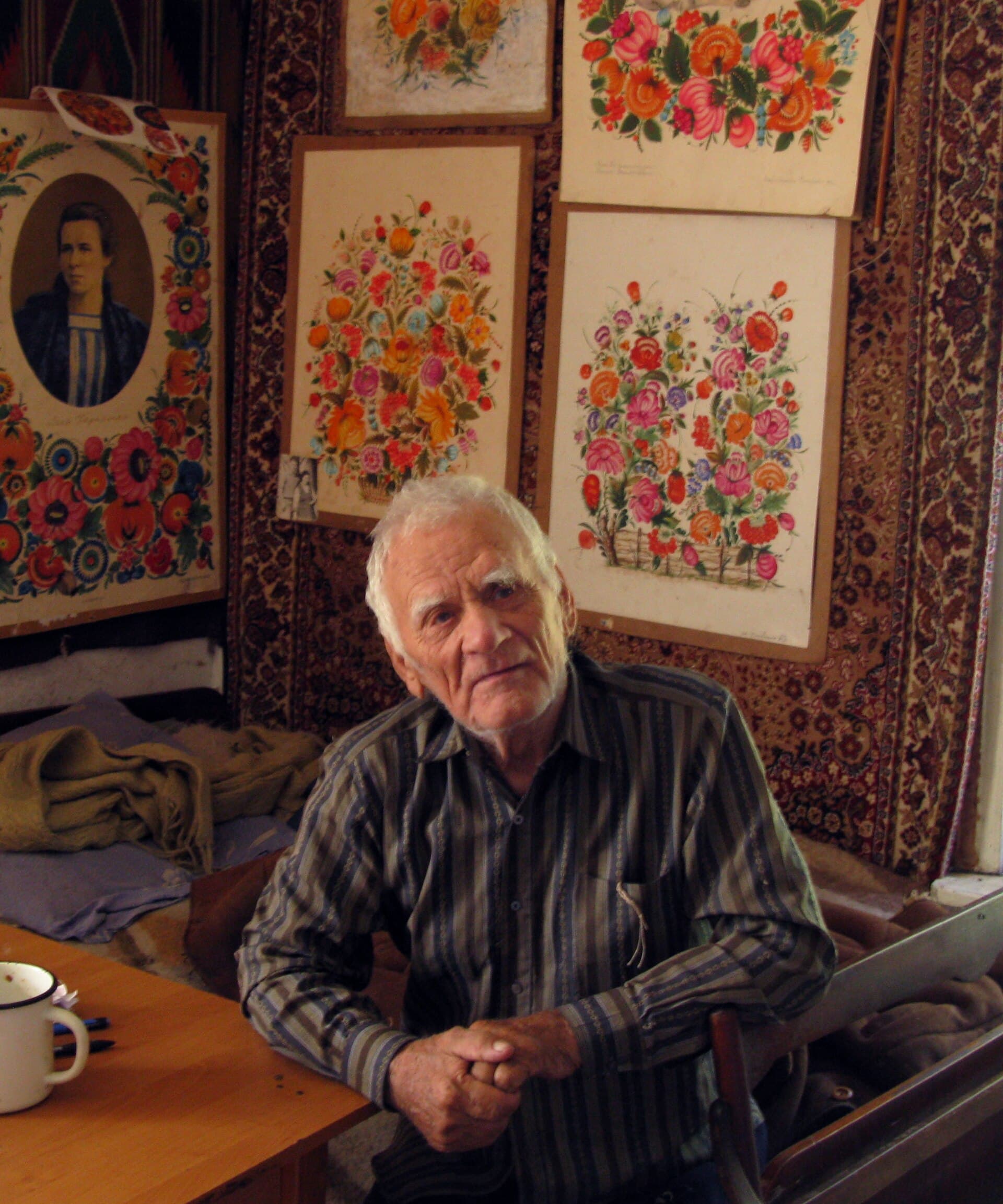
An elderly man in a checked shirt sitting at his table with his hands folded, four framed panels of Petrykivka flowers and a woven rug on the wall behind him
Vasyl Sokolenko at home, 2016 · Igor Balashov, CC BY-SA 4.0

Vasyl Sokolenko studied composition under Pata and graduated in 1941, the year the village school closed with the war. He was chief artist of the Petrykivka painting factory for two decades, and he taught Andrii Pikush and Maria Pikush. He died on 26 April 2018, the last of Pata’s direct students still active into the 2010s. The people he taught hold the line now, and they are in their seventies and eighties.

The people

The masters this archive is for

Seven of them are photographed and credited here already. The public roster lists thirty-eight masters with no recorded death year, twenty-eight of them born before 1956, and behind every one of those names is a sitting still waiting to be arranged.

Vasyl Sokolenko

Vasyl Sokolenko

Pata's pupil and the teacher of Andrii and Maria Pikush, photographed in 2016, two years before his death at 96.

Igor Balashov · CC BY-SA 4.0

Volodymyr Hlushchenko

Volodymyr Hlushchenko

Another of Sokolenko's pupils, in his workshop.

Igor Balashov · CC BY-SA 4.0

Hanna Samarska

Hanna Samarska

Honoured Master of Folk Art of Ukraine.

Igor Balashov · CC BY-SA 4.0

Tetiana Harkava

Tetiana Harkava

Honoured Master and the author of the fullest illustrated manual of the painting.

Igor Balashov · CC BY-SA 4.0

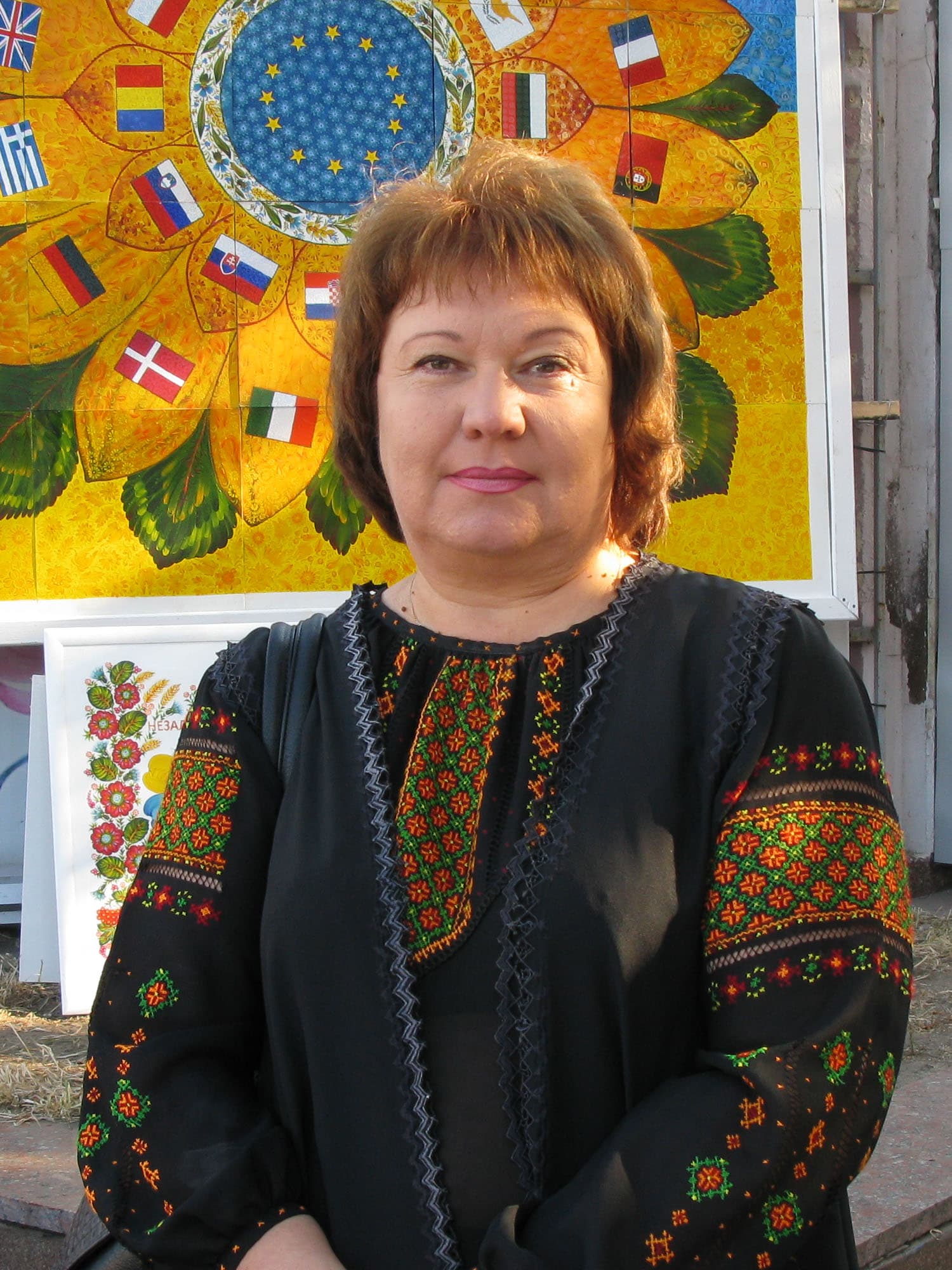
Viktoriia Tymoshenko

Viktoriia Tymoshenko

At work in the studio.

Igor Balashov · CC BY-SA 4.0

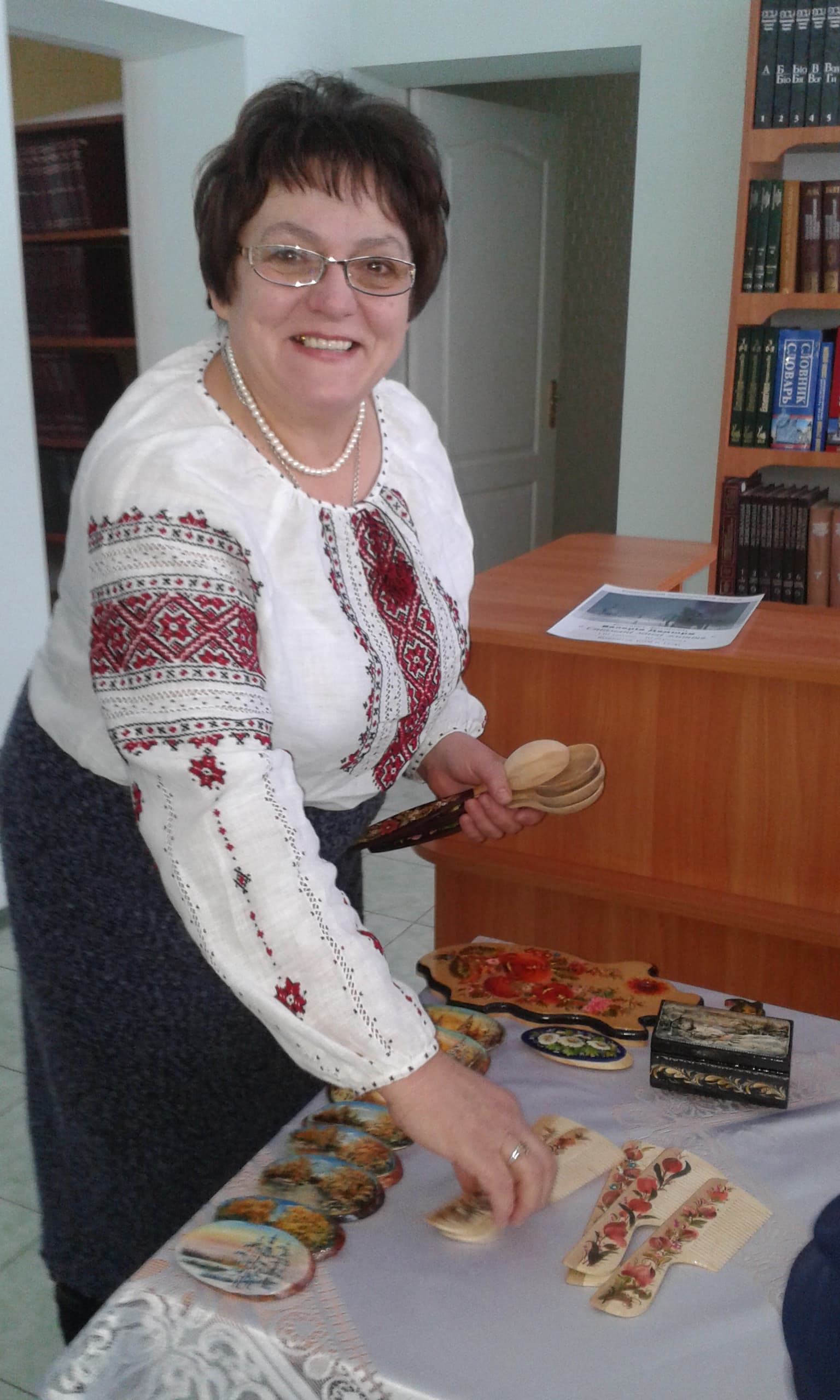
Valentyna Nosenko

Valentyna Nosenko

A master of the painting with her work.

Olga Loboda 0806 · CC BY-SA 4.0

Valentyna Karpets-Yermolaieva

Valentyna Karpets-Yermolaieva

Teaching the «Sun in the palm» circle; in 2025 a Shevchenko Prize laureate alongside Andrii and Maria Pikush.

Iryna Hordiieva (piramidaresource.dp.ua) · CC BY-SA 4.0

These portraits come from Wikimedia Commons under CC BY-SA 4.0, and Igor Balashov took most of them in Petrykivka over two days in September 2016. A recording adds what a still frame leaves out: the voice, the hand at working speed, and her own account of who taught her.

Status · 16 September 2026

What exists today

Masters recorded so far: 0. What stands today is a written shooting protocol, a consent form covering archive, publication, education and licensing, a costed plan for the first cohort, and a family inside the tradition who can make the introductions that decide whether a first visit works.

Petrykivka is a settlement of under four thousand people where a botched first sitting would be common knowledge by evening. The plan puts the first three recordings with a master the Pikush family has known for years, and everything after that depends on how those three go.

  • Recordings completed — 0
  • Protocol and consent form — drafted, and the agreement with each master goes through review under Ukrainian law before her first recording
  • Deposit copies — one with the master and her family, one lodged with a Ukrainian institution as each recording is made
  • Cost per master — CAD $1,800, all in

The sitting

What gets recorded, and what each part is for

One visit per master, in her own workshop or wherever she has moved to, following the same protocol every time so that one recording can be read against the next.

01

The painting, at working speed

30–60 minutes · over the shoulder

A fixed camera over the shoulder at 4K, a macro pass on the loaded brush and the perekhidnyi mazok (the transition stroke, two pigments on one brush), and ten to thirty of her own works photographed at archival resolution in the same sitting.

Petrykivka is laid straight onto the surface with nothing drawn underneath, so the order and the pressure of the hand carry information that no still photograph of a finished work holds. Watching her lay the stroke is the way that information moves.
02

The strokes, in her own words

Named as she says them

Every element named aloud while she makes it, in the form she actually uses. The written sources already disagree with each other: the encyclopaedia writes koshachka (the cat-fur brush) and petushinnia (a feathered flower motif), while Ukraïner recorded people in Petrykivka itself saying kotiachka and petushynnia.

A village pronunciation settles a question that two reference works cannot, and it gives the glossary on this site a source with a face attached to it.

03

How she makes her brush

The koshachka, end to end

Combing the cat, picking the undercoat out with a needle, sharpening the twig, rolling the fur onto the glued tip, binding it with thread, sealing it, wetting it so it takes its shape.

The Kharkiv regional culture centre states plainly that industrial production of cat-hair brushes does not exist and there is no point looking for them in shops. Every master makes her own, and the finest tracery has no commercial substitute. The knowledge lives in the hands of people currently in their seventies and eighties.

04

What she was taught, and by whom

45–90 minutes · in Ukrainian

A life interview: her teacher, her teacher’s teacher, which workshop or factory she painted in and in which years, what she was told to change and what she refused to change, where she is living now.

The public Ukrainian roster of masters records teaching lines with no citation under them, and the dossier behind this site already found two of them in conflict. A first-person account is the only evidence that closes those questions while the person is here to give it.

05

What she has never been asked

Open time, camera running

The last stretch of every sitting is unscripted and belongs to her: what she wants said, what she wants corrected, who she thinks should be filmed next.

A researcher asks the questions the literature has already taught her to ask. The material that has never reached print sits on the other side of that list, and it arrives only when the recording runs past the point where the questions stop.

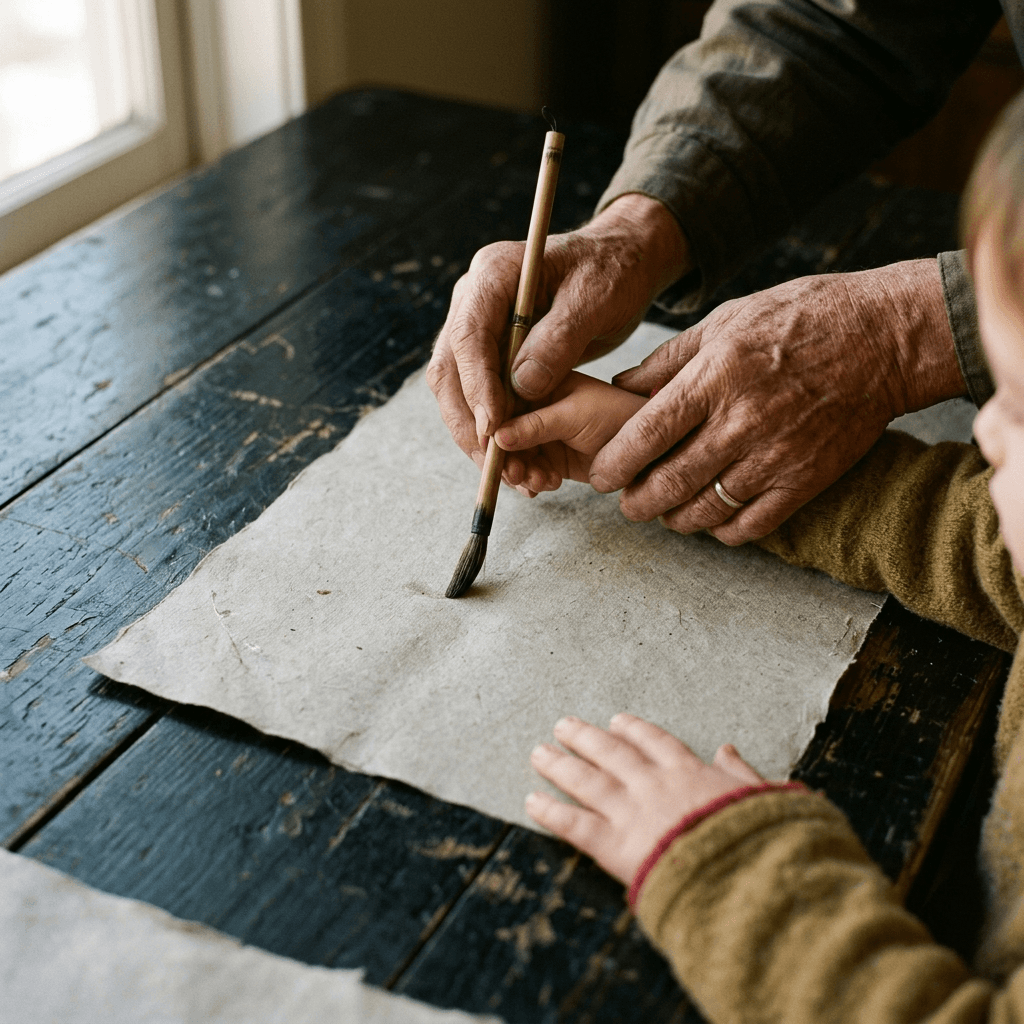
An older person's weathered hands closing around a child's hand on a bamboo brush, above a sheet of handmade paper on a dark painted table
A hand closing over a hand — the whole transmission mechanism, and the reason a sitting is filmed over the shoulder · interpretation, photographed for this site
A half-made brush on a dark workbench: pale soft hair bound with thread onto a peeled stick, a reel of twine, small scissors and a sheet of ragged handmade paper, a hand drawing the thread tight
Binding the hair onto the stick — the koshachka halfway made, which is what step 03 of a sitting records · interpretation, photographed for this site
A single sheet of unbleached handmade paper lying blank on a dark table, one corner lifting
An empty sheet · interpretation, photographed for this site

Custody

How it is kept

The rules below are fixed before the first camera is switched on, because a master decides whether to sit down on the strength of them.

  1. 01

    Ukrainian is the record; English is the subtitle

    The interview is conducted and archived in Ukrainian, and the Ukrainian transcript is the version of reference. English subtitles and a translated transcript are made from it and marked as translations, so a researcher can always go back to what she said.

  2. 02

    A named agreement with each master

    One signed agreement per person, covering archive, publication, education and licensing, revocable by her, with model-training rights excluded by default. Her name travels with every frame and every still, permanently.

  3. 03

    Open to museums, schools and researchers

    Institutional and educational access at no charge, with attribution required and the consent terms attached to the file. Commercial licensing goes back through the master, and the terms for it sit on this page where anyone can read them.

  4. 04

    Three copies, and a licence that makes more

    One copy stays with the master and her family. A second is lodged with a Ukrainian institution as each recording is made, and this platform holds the third, in a format museums and Europeana can read. The finished files go out under CC BY-SA 4.0, so any museum or school that wants the material keeps a copy of its own. A recording that exists on one shelf in one oblast is one bad night from a permanent gap.

A thick stack of deckle-edged white handmade paper on a painted table by a garden window, the top sheet standing upright, with pink roses, brushes in a jar and a reel of blue thread beside it
Copies of one sheet · interpretation, photographed for this site

Evidence

The factory was taken apart while everyone watched

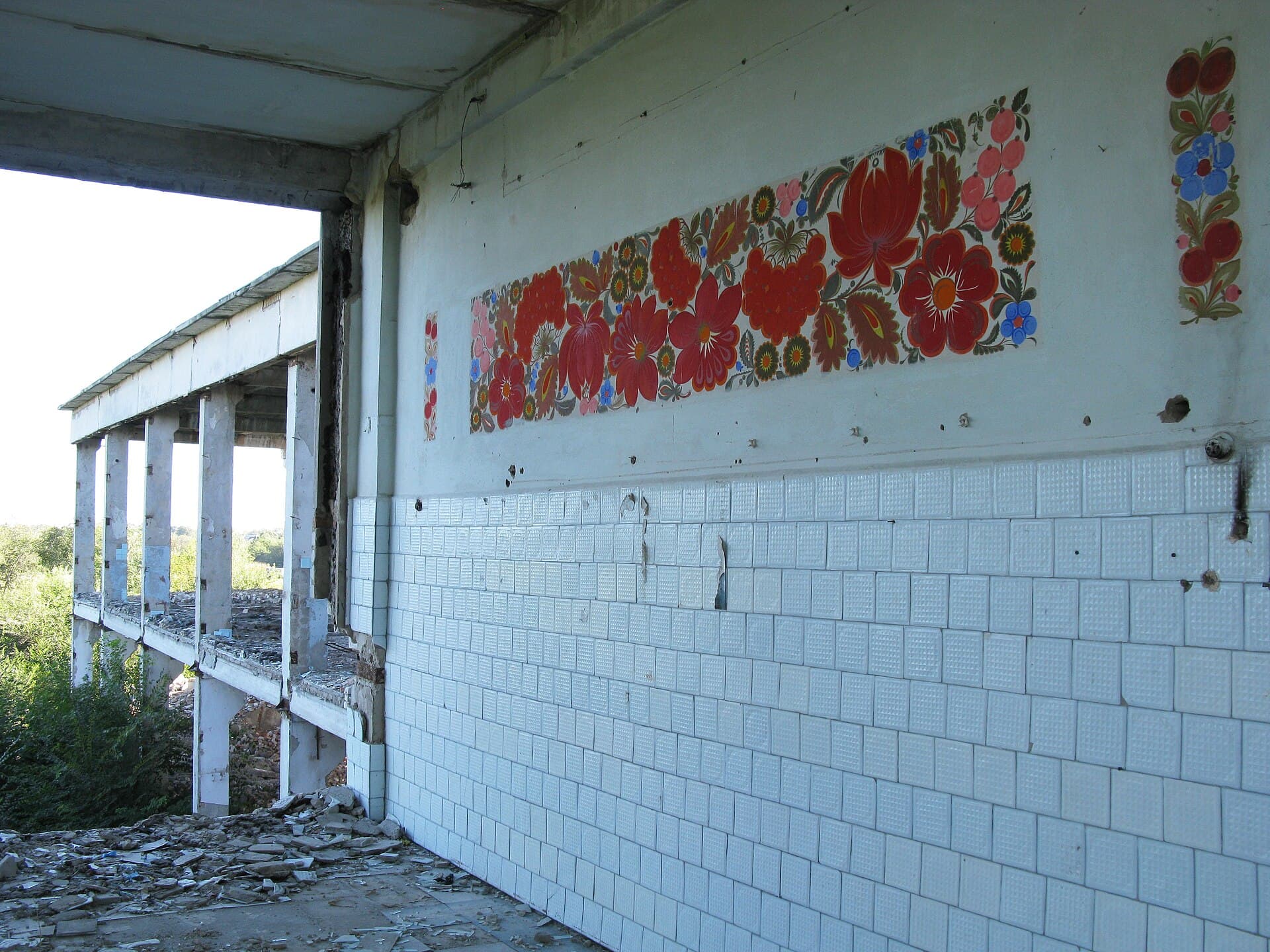
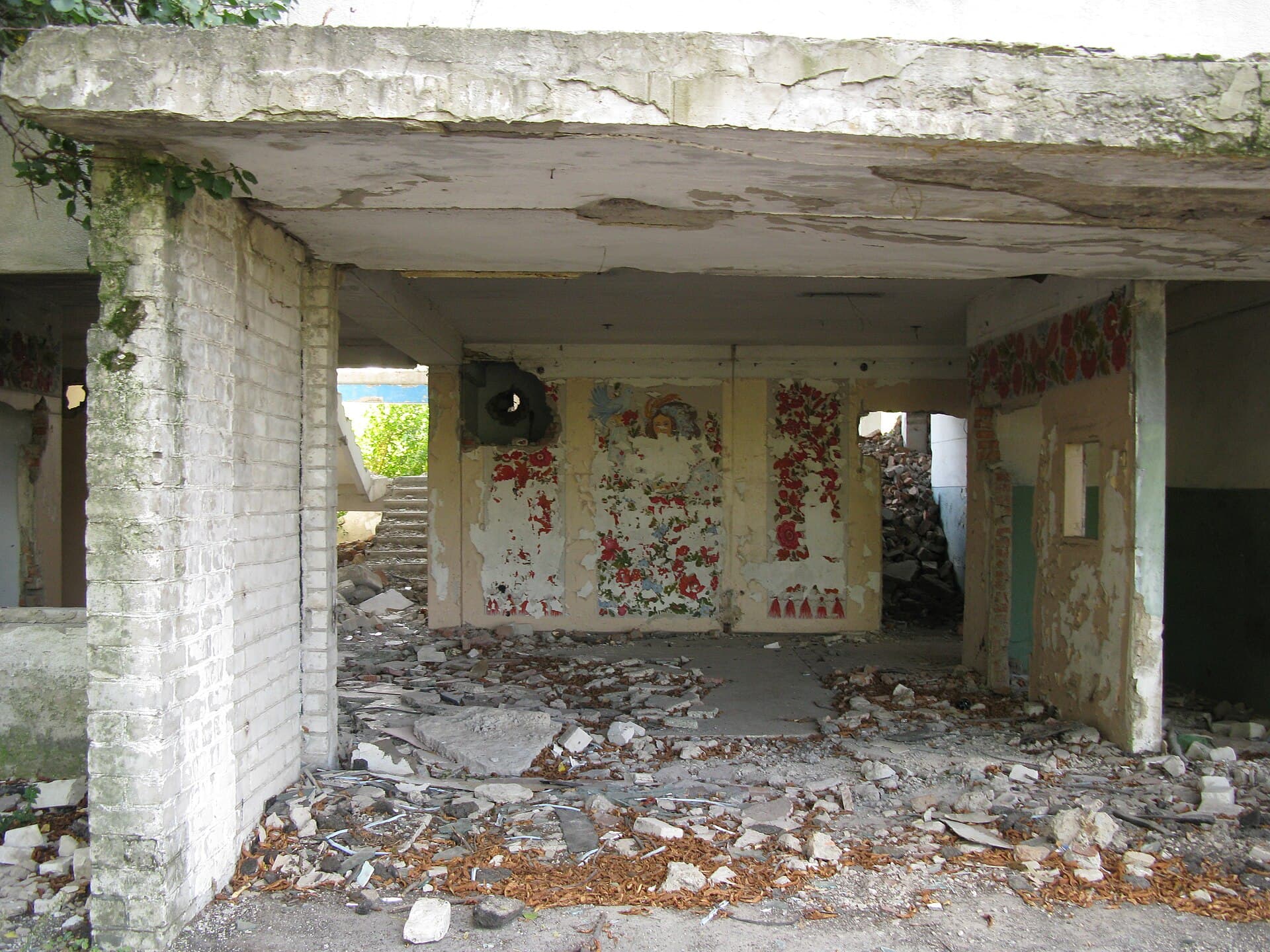
The Petrykivka painting works employed ninety painters. It was stripped between 2001 and 2011, and by 2014 the walls and the gate were what remained. Both photographs below were taken there in 2016. A building leaves ruins that somebody can still photograph; a stroke nobody recorded leaves a blank where the page should have been.

What is left of the painting factory

What is left of the painting factory

The Petrykivka factory was stripped between 2001 and 2011; by 2014 only walls remained.

Igor Balashov · CC BY-SA 4.0

The factory entrance

The factory entrance

The gate of the works that once employed ninety painters.

Igor Balashov · CC BY-SA 4.0

Why now

Four figures that set the deadline

Ukraine’s Ministry of Culture counted 1,453 damaged heritage monuments and 2,286 damaged cultural infrastructure objects as of 25 April 2025, 425 of them destroyed outright, including 53 heritage sites in Dnipropetrovsk oblast. Damage to intangible heritage goes into no register in the country, and it is the kind of loss that leaves nothing to photograph afterwards.

2013The file Ukraine signed

Ukraine’s own nomination for element 00893 lists, among its proposed safeguarding measures, activities to unify the archives and audiovisual funds of Petrykivka painting and to establish a database of ethnographic, art and documentary materials. The element was inscribed on 5 December 2013. That archive is still owed.

3,868Petrykivka, 2025

The settlement council’s figure for 2025. In 1886 the same place counted 11,668 people across 1,768 yards, with three churches, a synagogue and twenty-nine shops; the 2001 census found 4,913. The tradition is carried by a settlement that has lost two-thirds of the people it had when the wall painting was ordinary.

28Masters born before 1956

Thirty-eight masters on the public Ukrainian roster have no recorded death year, and twenty-eight of those were born before 1956, which makes them seventy or over in 2026. Vasyl Sokolenko was ninety-six when he died. Every month without a sitting removes names from that number for good.

35,000Museum objects moved

Dnipropetrovsk oblast has evacuated roughly thirty-five thousand museum objects to safer places inside the oblast and to western Ukraine, reported by the regional military administration on 6 May 2026. In Petrykivka itself, RFE/RL reported on 2 July 2022 that the museum’s historic collection had been moved to a secret location ahead of the invasion of 24 February, while the painters carried on working.

Front-line facts move. The oblast figures above are dated where they were published, and they are re-checked against the oblast military administration before each funding submission.

What is at stake

Every one of these was laid straight onto the surface

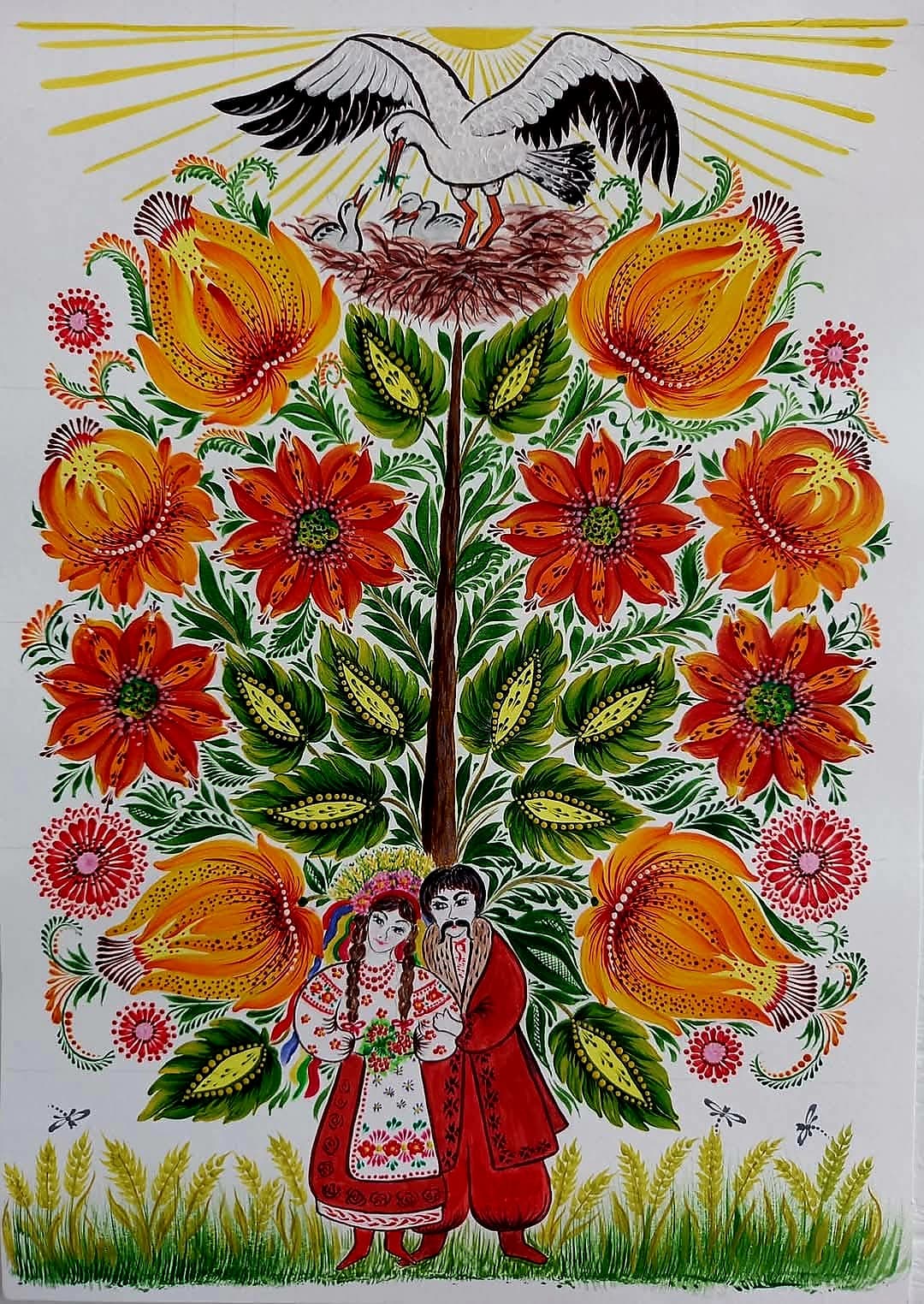
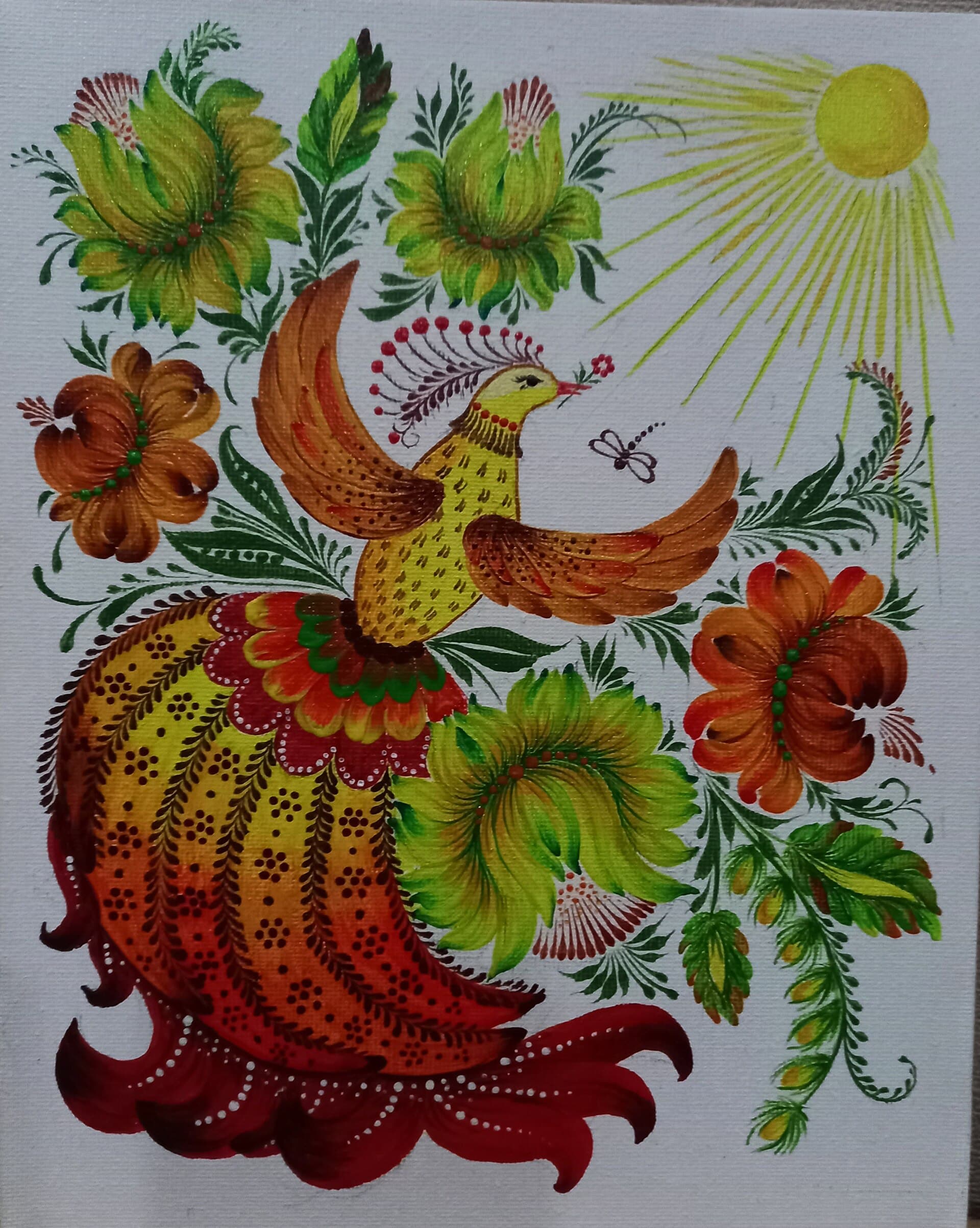
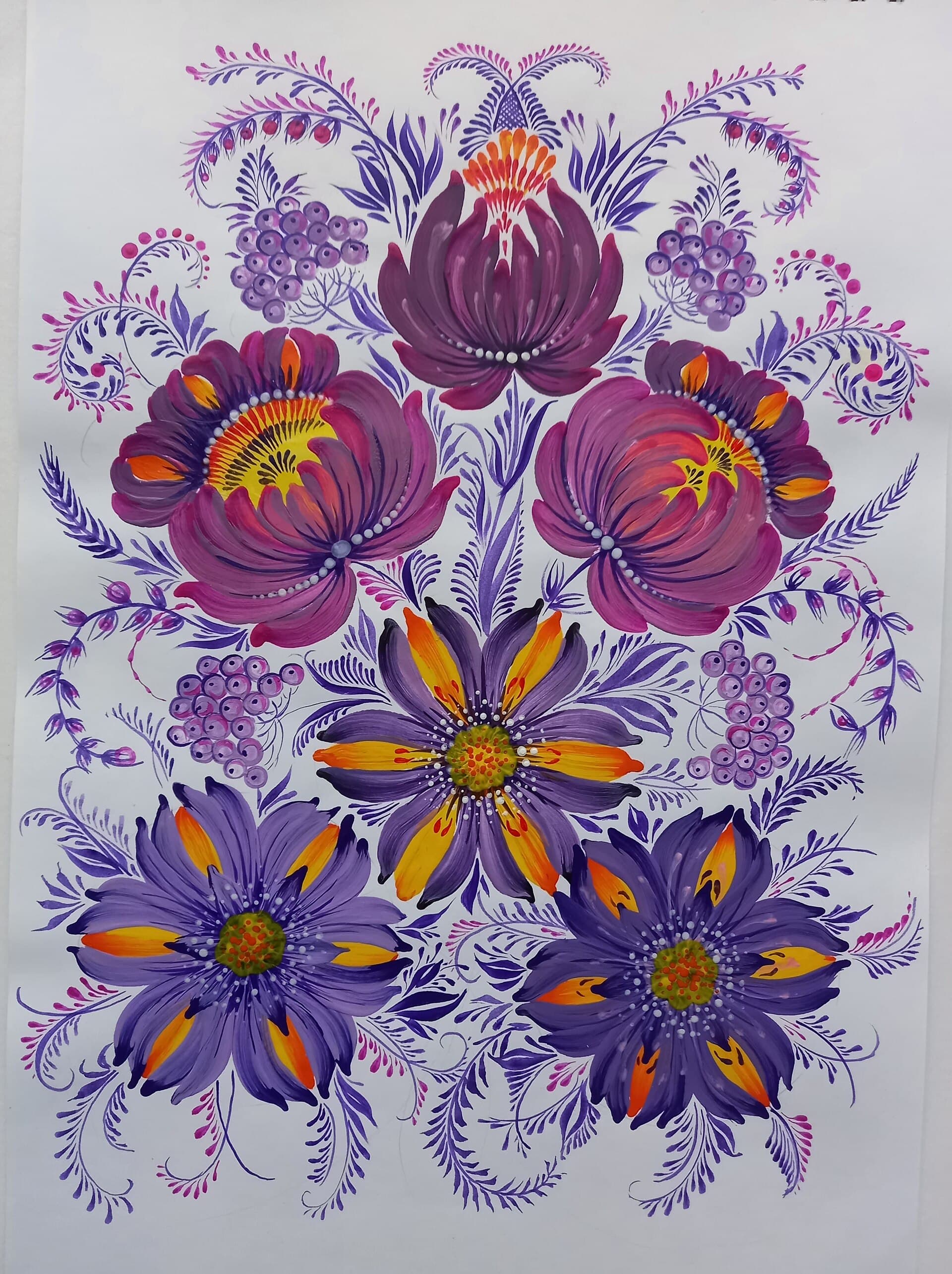
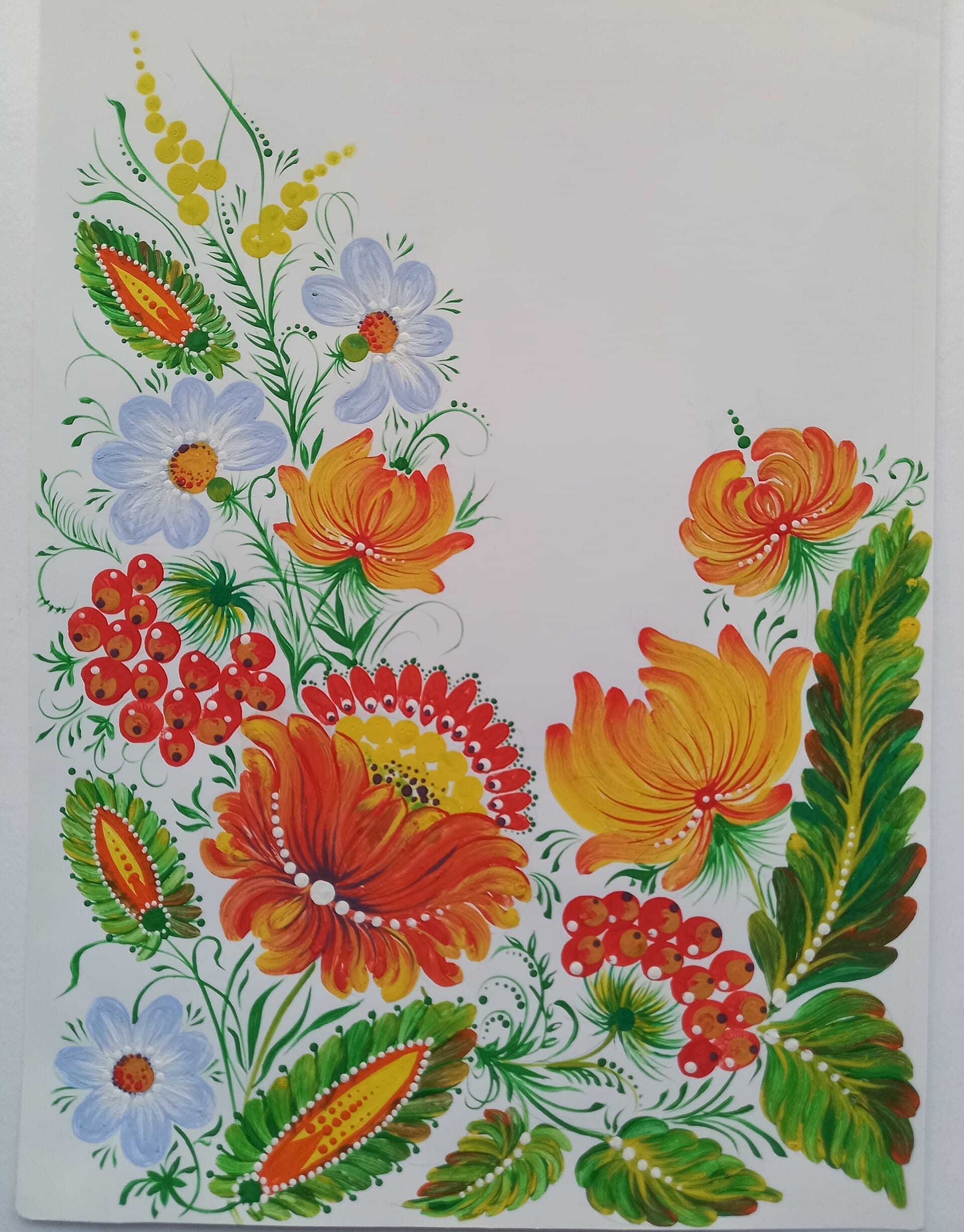
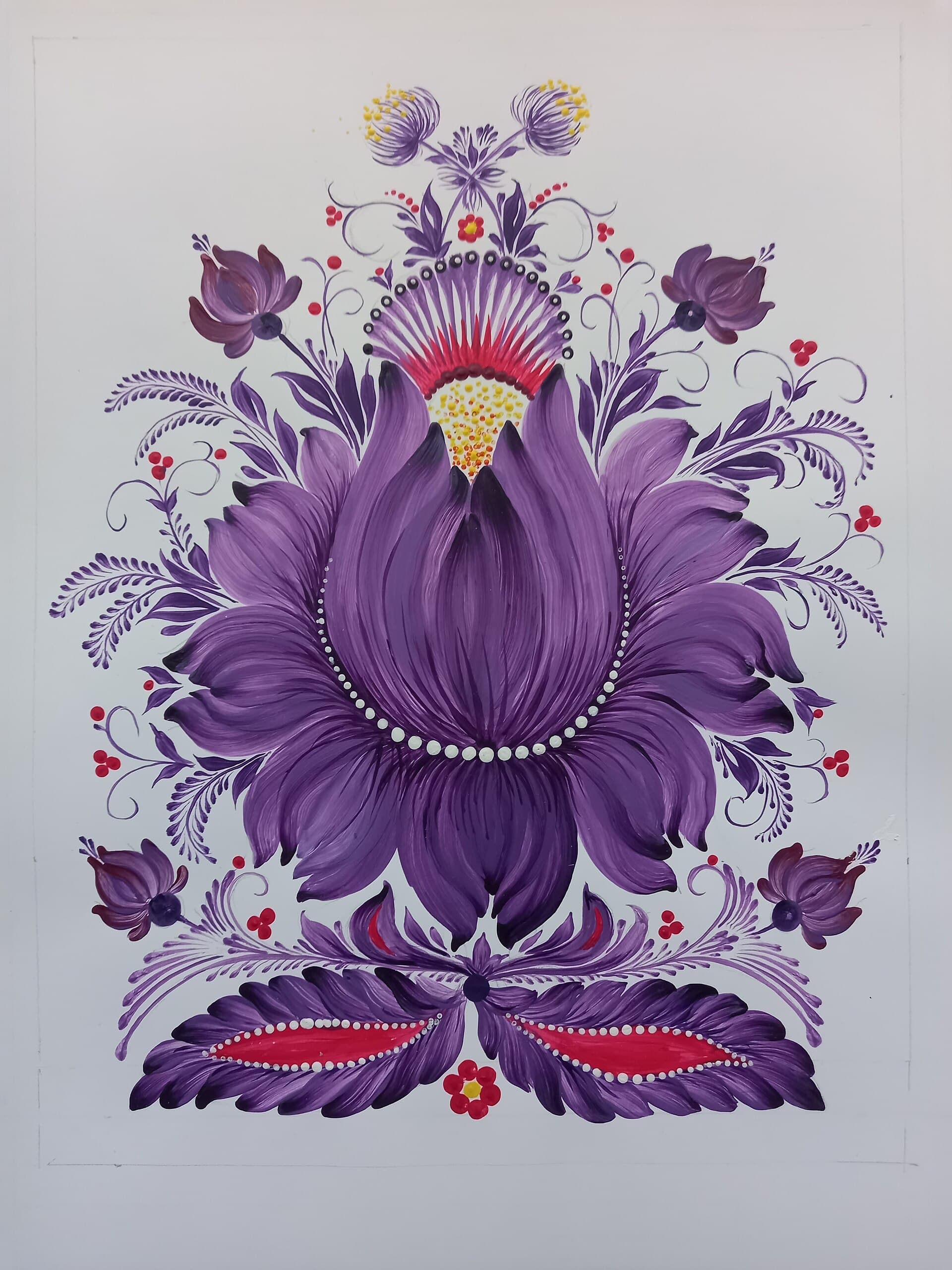
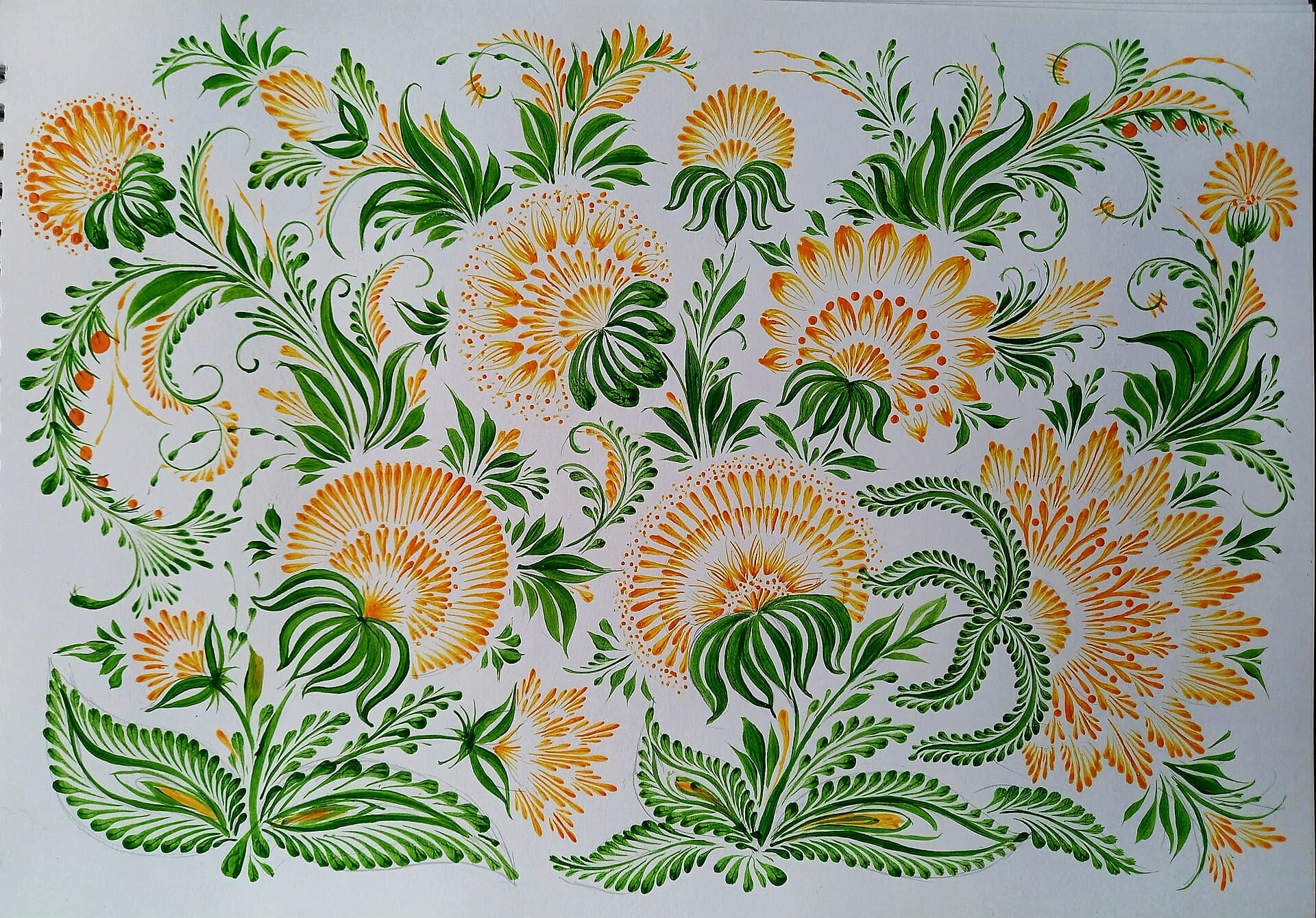
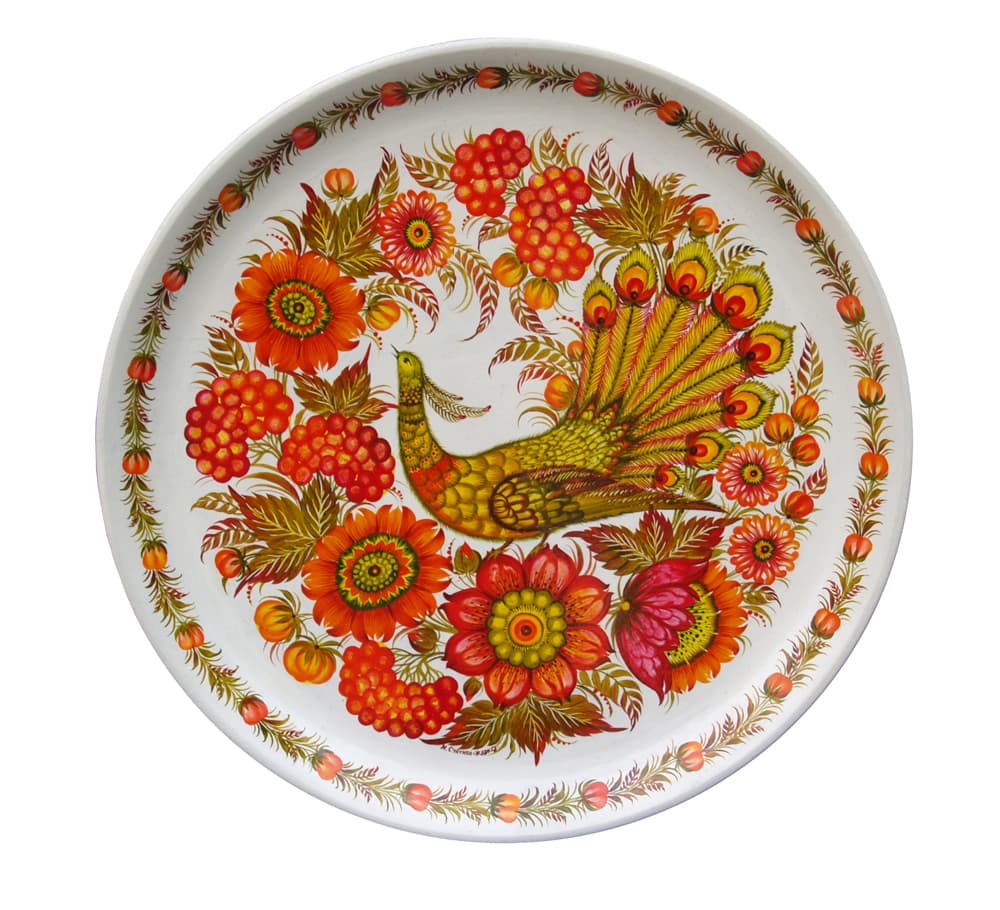
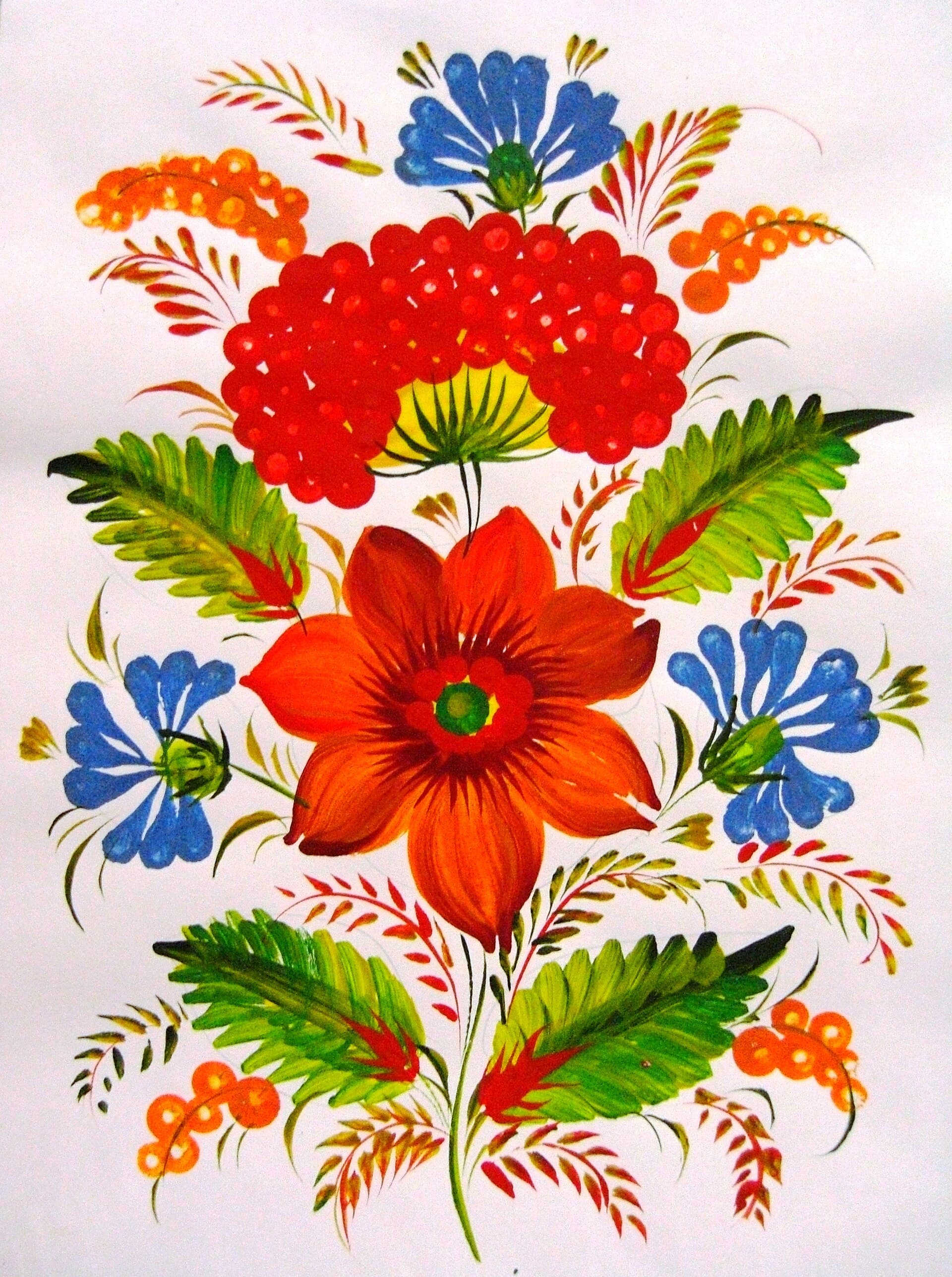
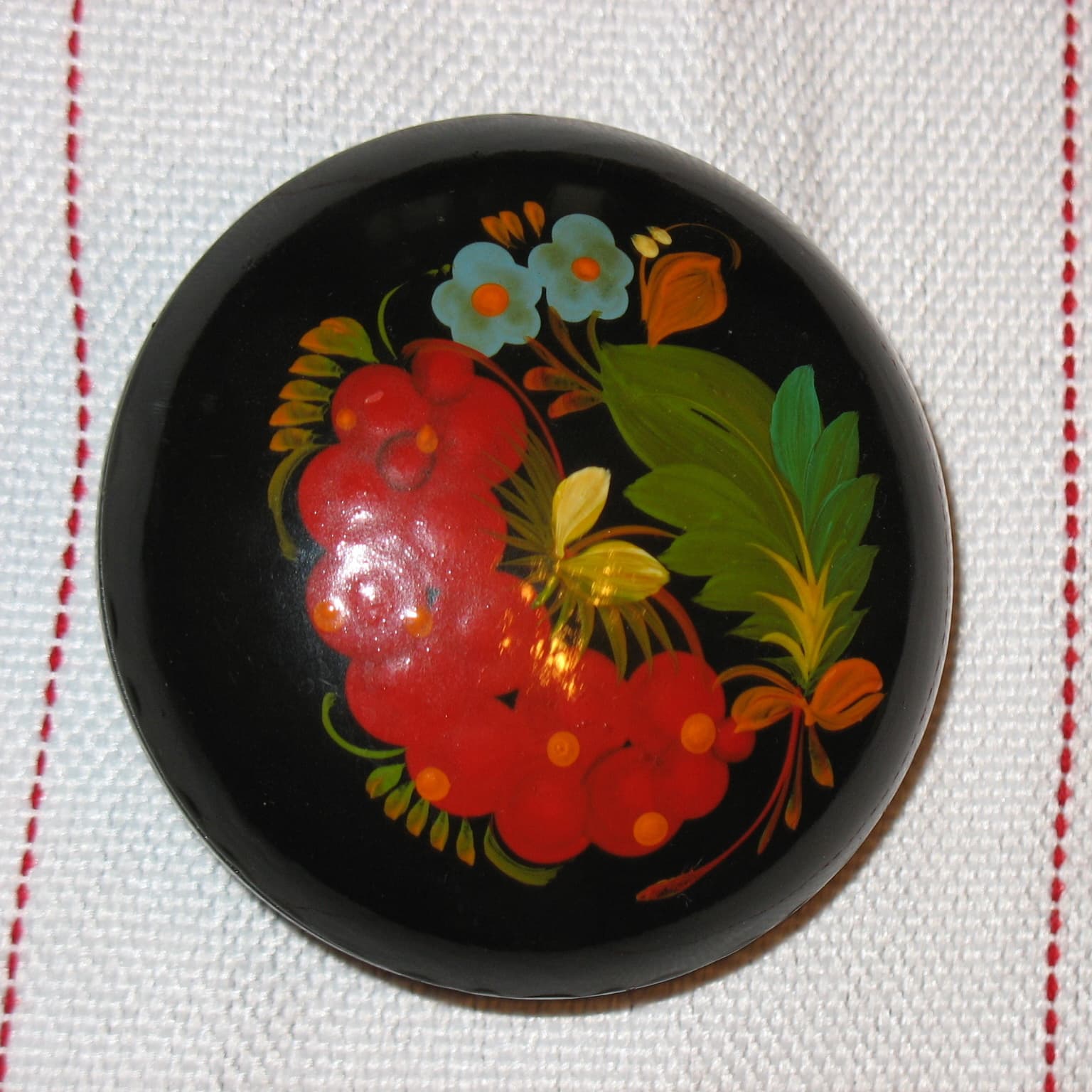
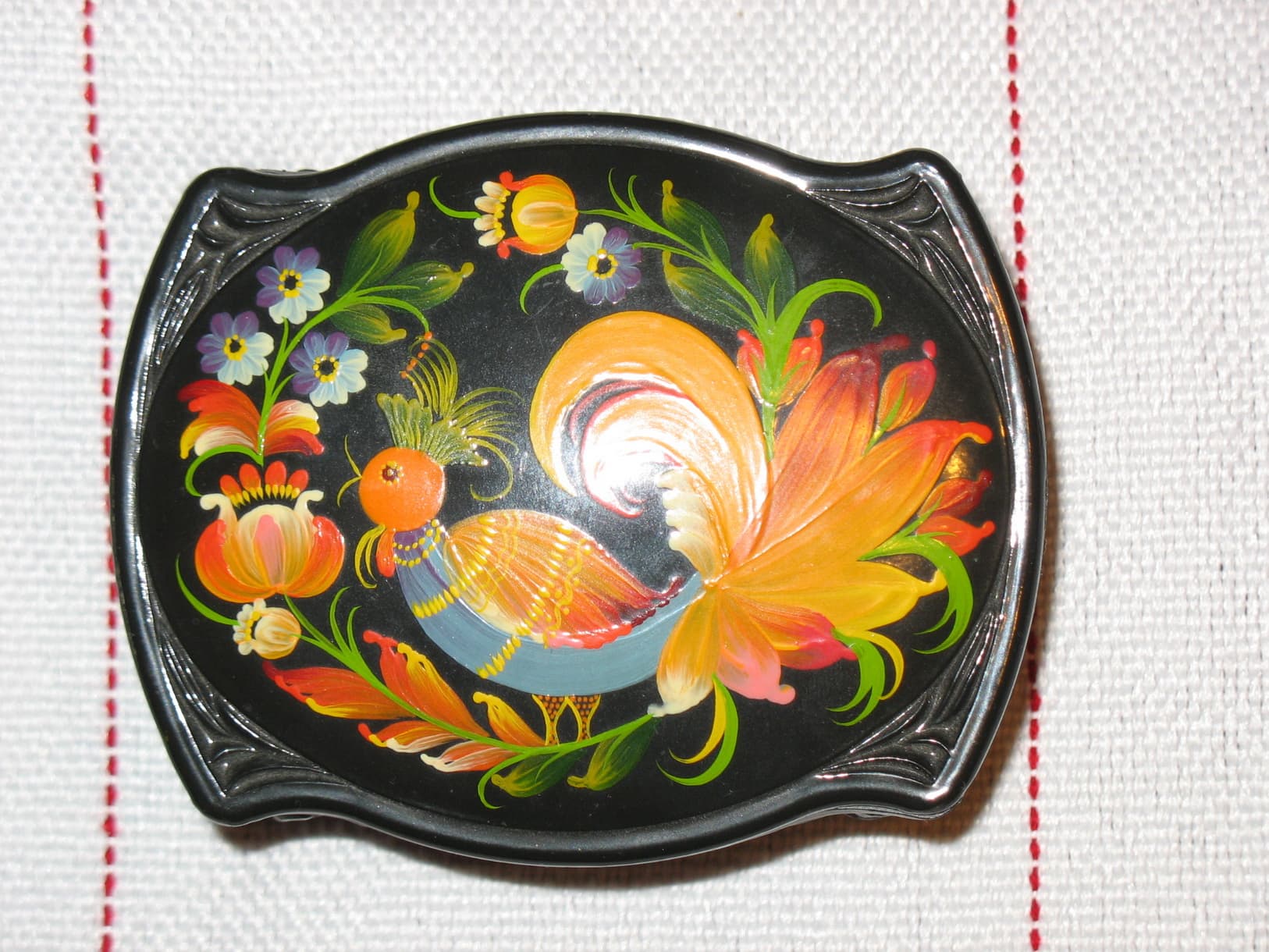
The works below were photographed once they were finished. The order of the strokes inside them, the pressure of the hand and the moment the brush goes back into the paint live with the people at the top of this page, and that part travels only by being watched. The gallery carries the credit and the licence for each one.

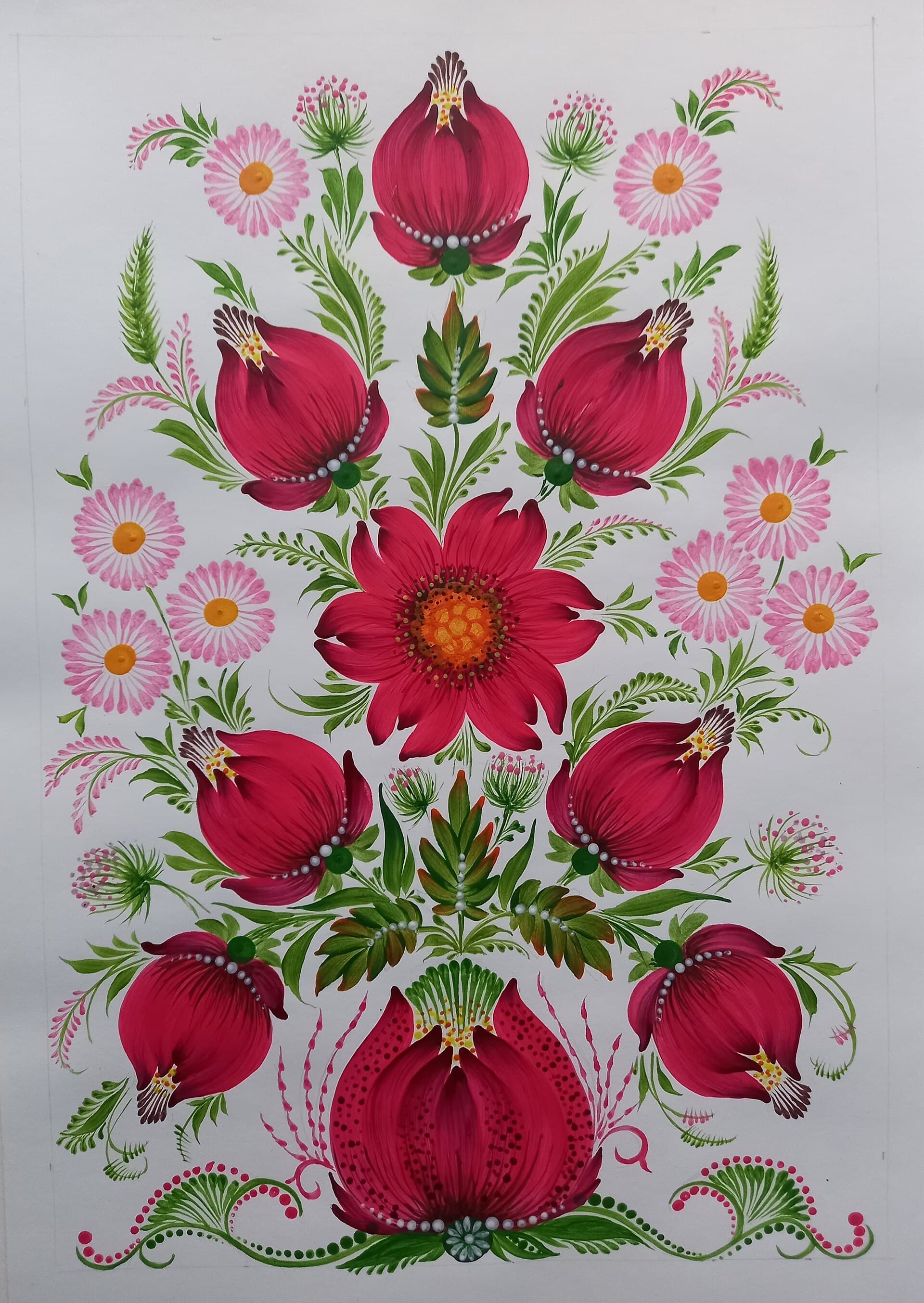
The tree of life with a pair beneath it
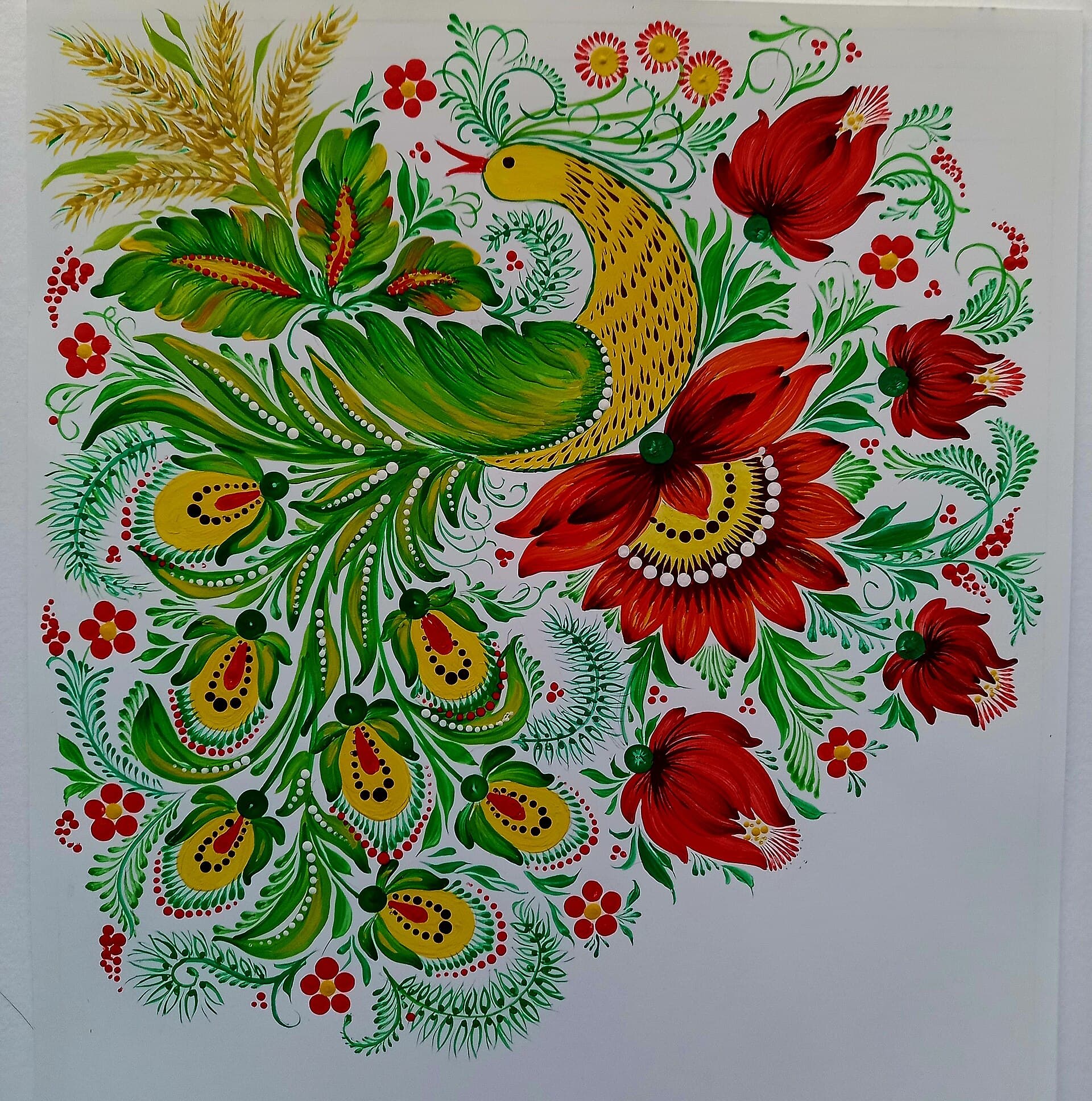
Firebird over a red bloom
Bird in a green wave
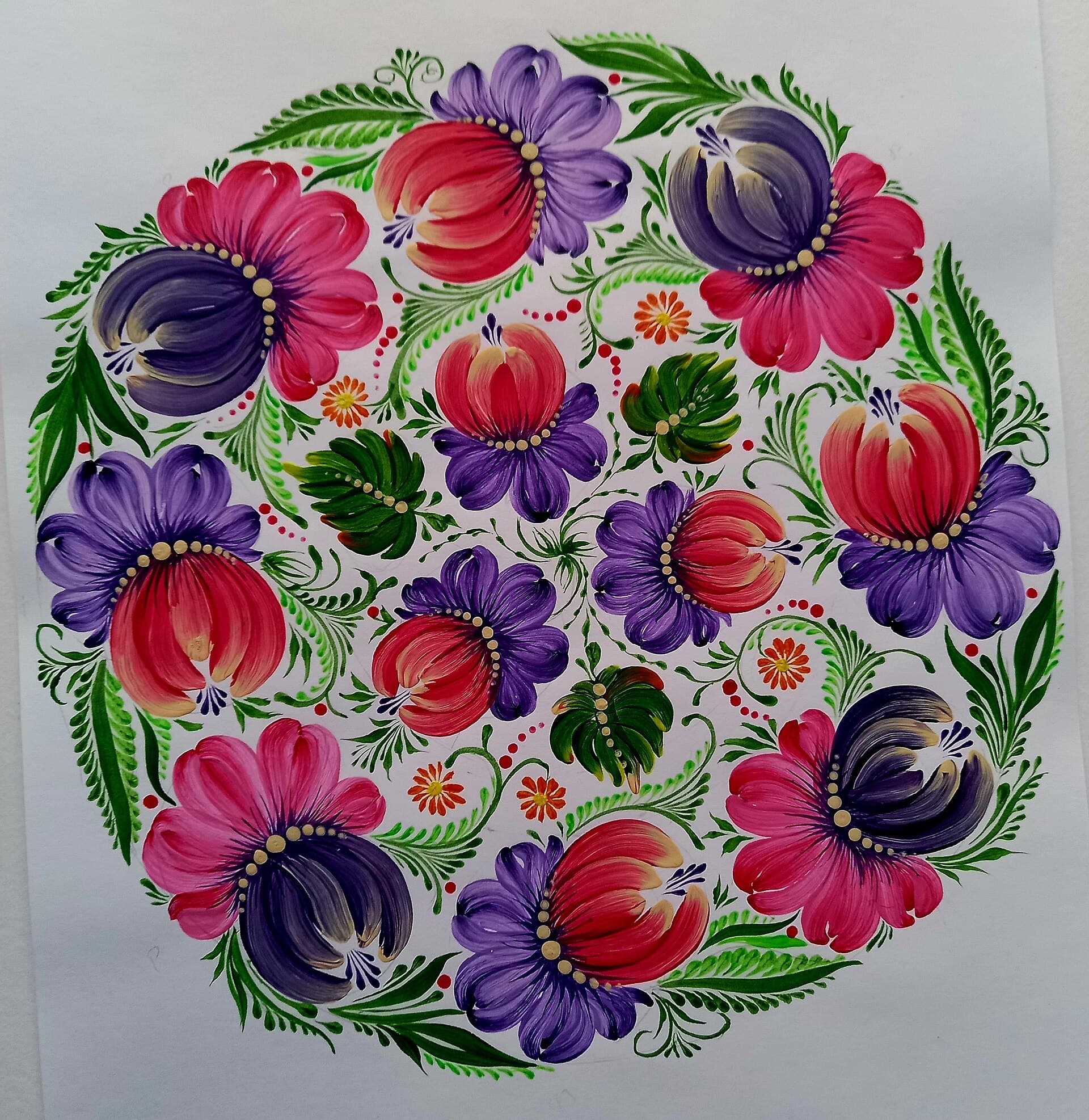
Wreath of tulips and dark blooms
Rose vazon on white
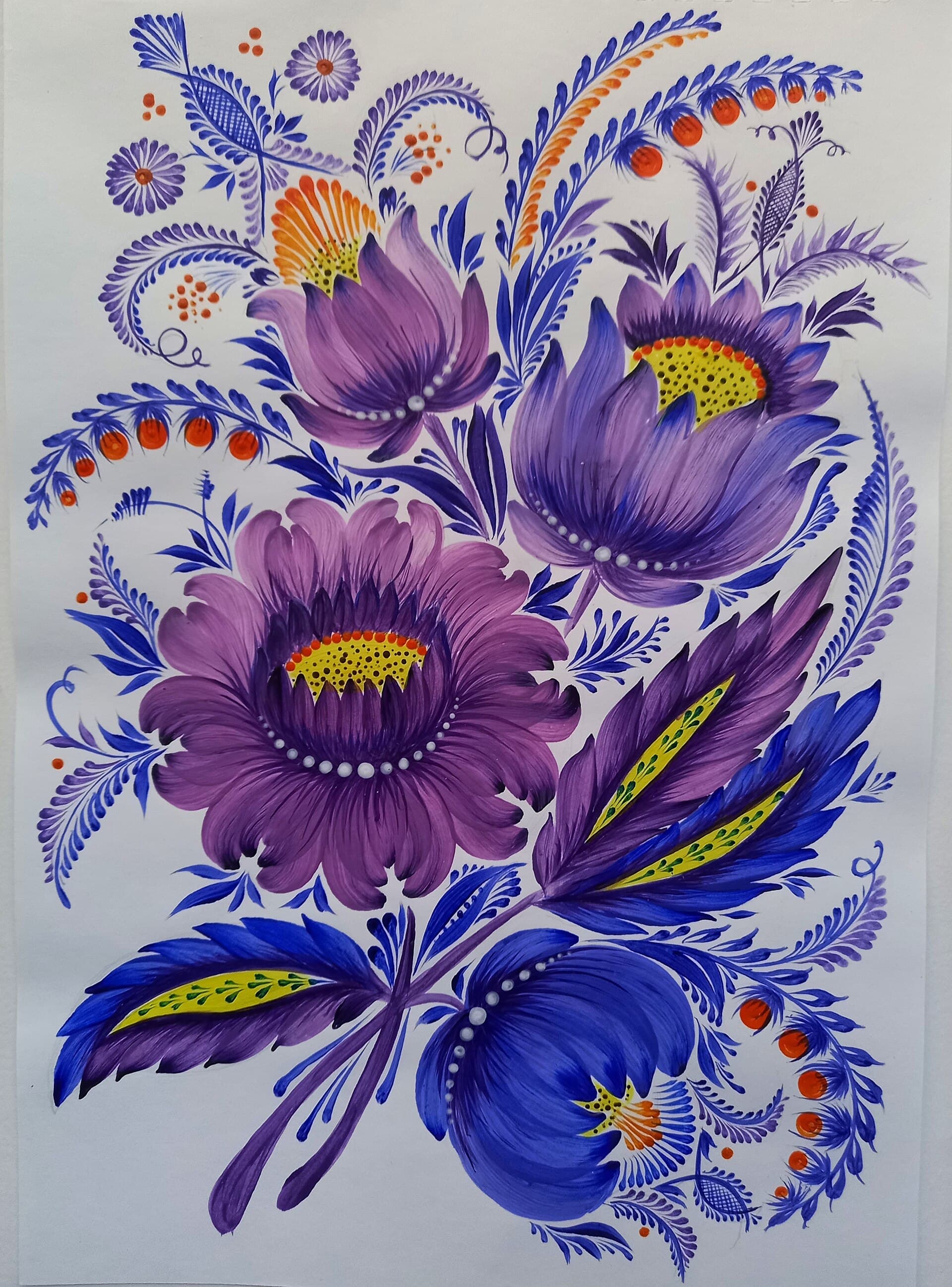
Blue and violet bouquet
Carpet of poppies and asters
Corner spray with grasses
Violet crown
Ochre and green frieze
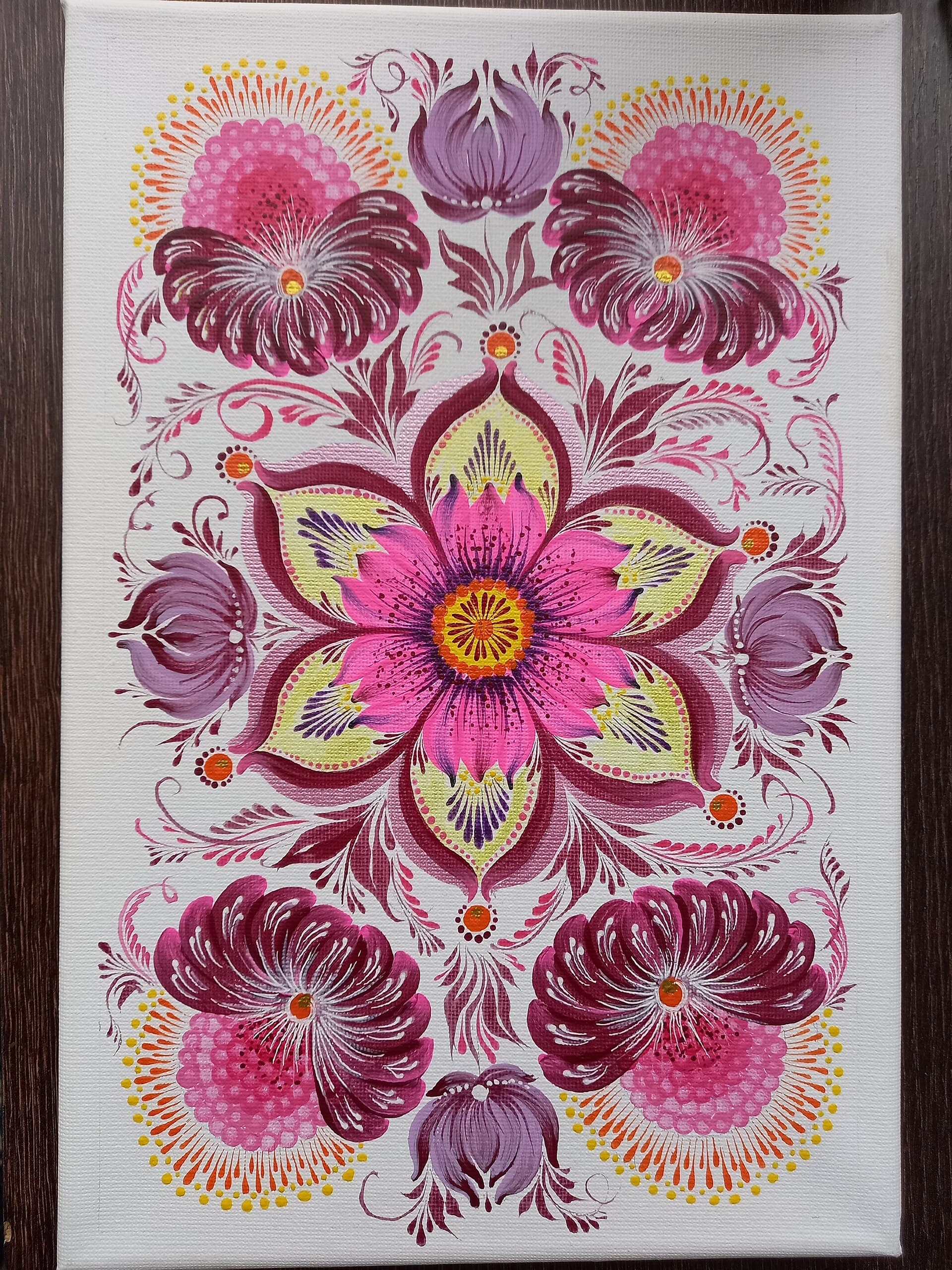
Pink panel
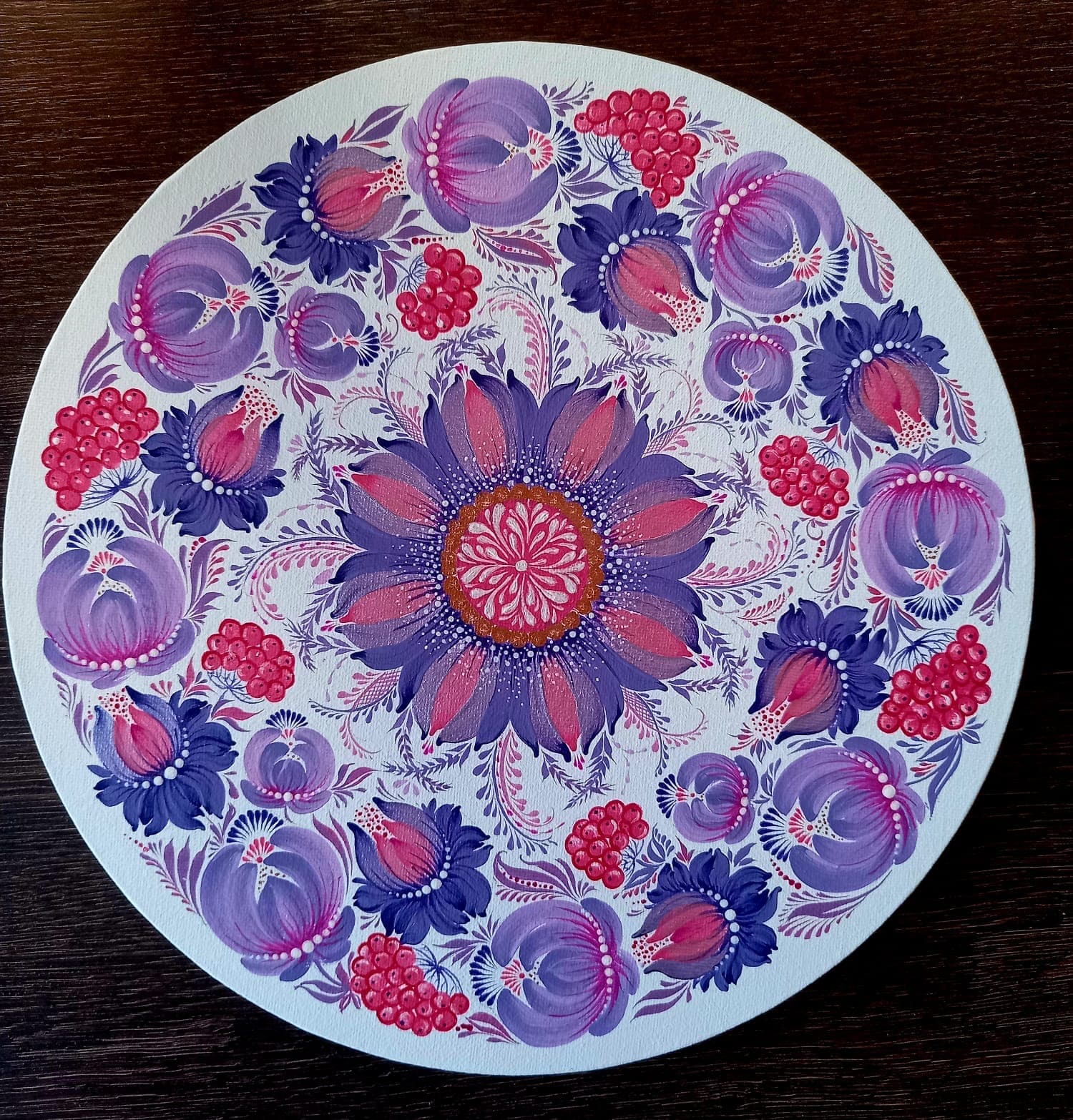
Painted plate, violet and crimson
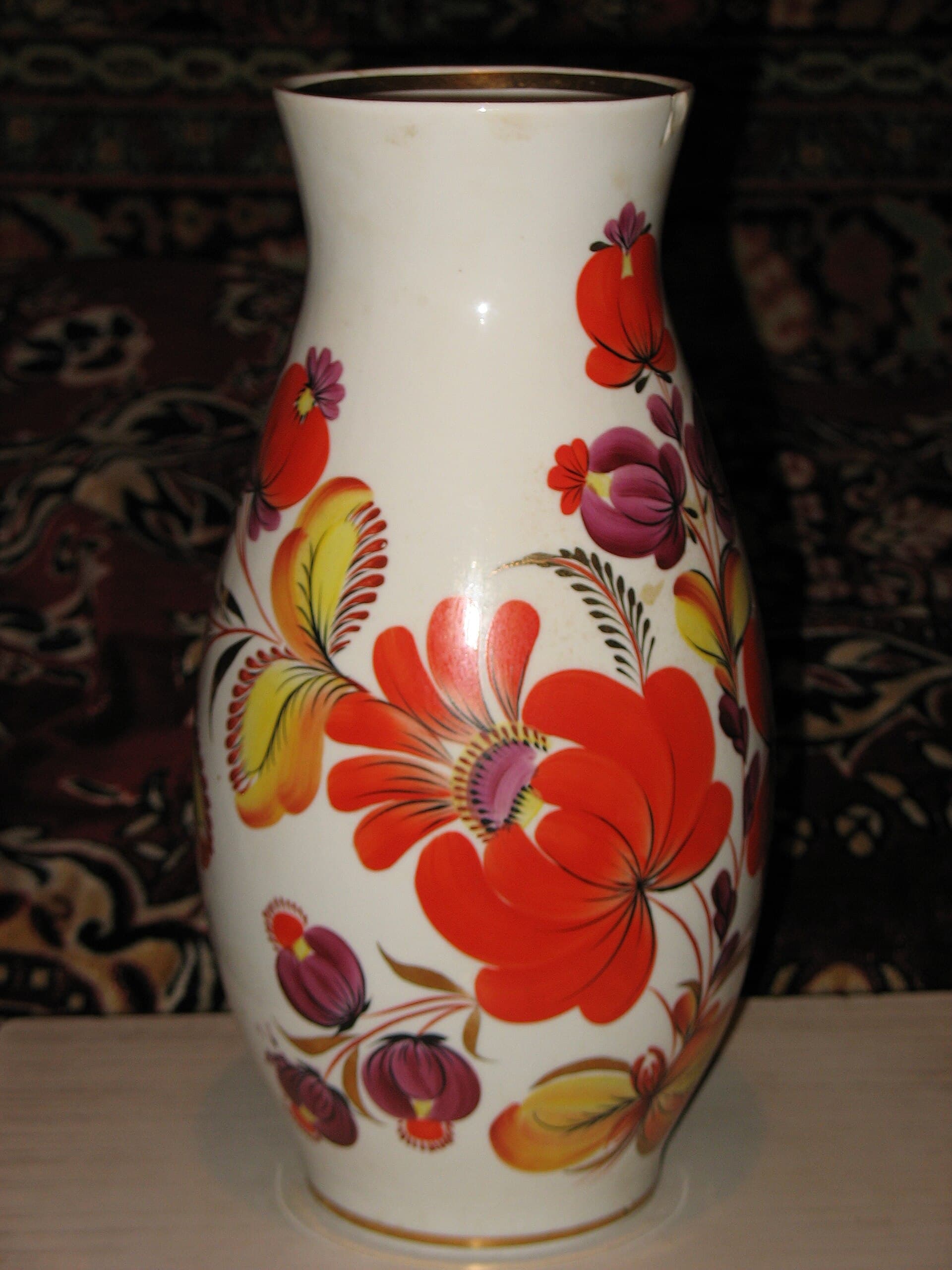
Porcelain vase
Chest, «Blue flowers»
Plate, «August»
Poppies and cornflowers
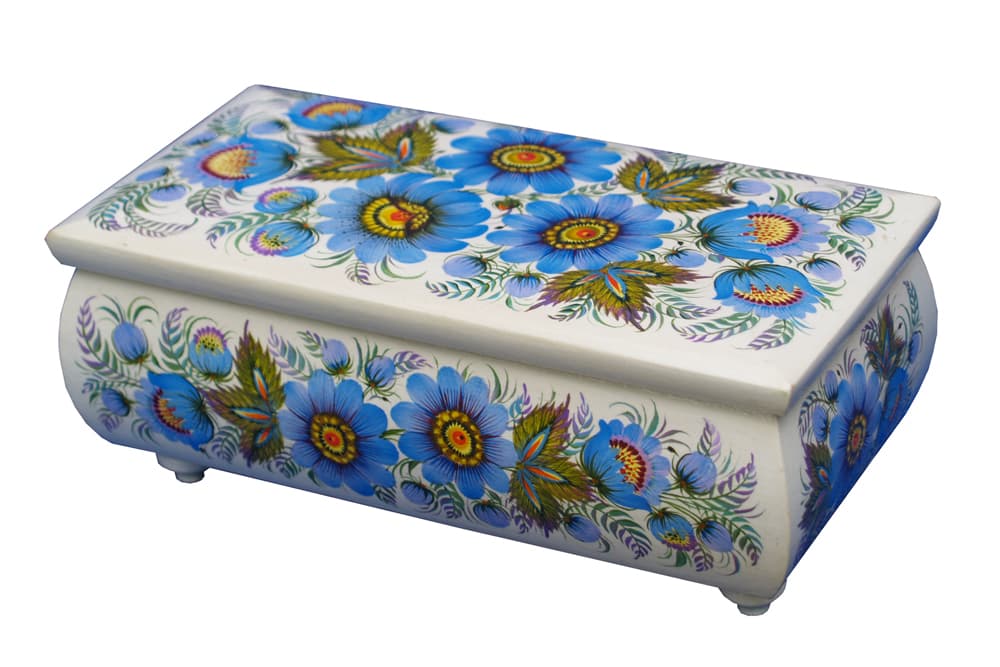
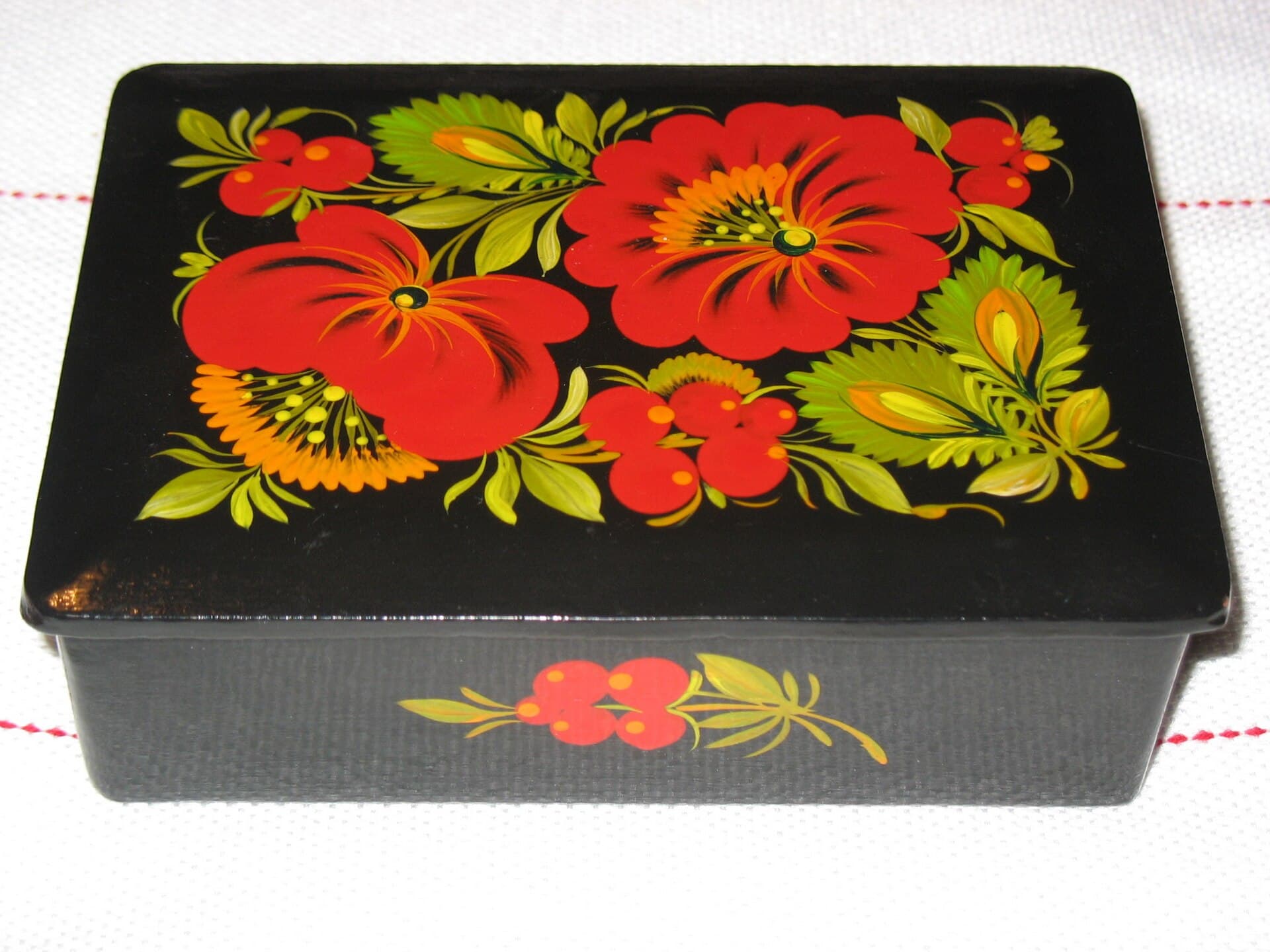
Casket with viburnum, 1980s
Casket with a bird, 1980s
Casket on black, about 1985
Open the gallery →

Take part

Three doors into the archive

Each of these reaches a person, and each gets an answer with the next step written out in it.

A master, or a family holding the rights

Be recorded

Write with the master’s name, where she is now, and who taught her. The consent form and the full shooting protocol come back before anything is agreed, in Ukrainian, and she can read them with her own family and refuse any part of them. Masters aged seventy and over are scheduled first.

Propose a master

A funder, a foundation or a patron

Pay for one recording

One sitting costs CAD $1,800 all in: the fee to the master, the videographer, travel, transcription, translation, editing, and the deposit copies that leave with her family and with a Ukrainian institution. The accounting for every funded sitting is published, naming who paid and who was recorded.

Fund a sitting

A museum, school, university or archive

Take the footage

Access for teaching, exhibition and scholarship costs nothing. Every finished recording goes out under CC BY-SA 4.0, the free licence the gallery already runs on, with attribution required and each master’s consent terms attached to the file. An institution willing to hold a deposit copy is the most useful letter this page can receive, because every copy kept in another building is one more place the record survives.

Request access

Petrykivka · Oksana Pikush

Write to Oksana

What it's about